Medical Assistant or Office Administrator: Which Fits You?
Compare duties, state salaries, and training paths to pick the right healthcare career.
By Jennifer GubblerReviewed by Editorial StaffUpdated September 7, 20269 min read
Most important takeaways…
Medical assistants perform clinical tasks; administrators handle scheduling, billing, and records.
Healthcare projects 1.9 million annual job openings from 2024 to 2034.
Online medical office administration costs $10,000 to $40,000 and takes two years.
The Bureau of Labor Statistics projects roughly 1.9 million healthcare job openings annually through 2034, and two entry points keep surfacing for people drawn to medical settings without a nursing or physician track: medical assistant and medical office administrator. One role is clinical, the other administrative, a clinical vs admin medical assistant distinction that matters more than job titles suggest.
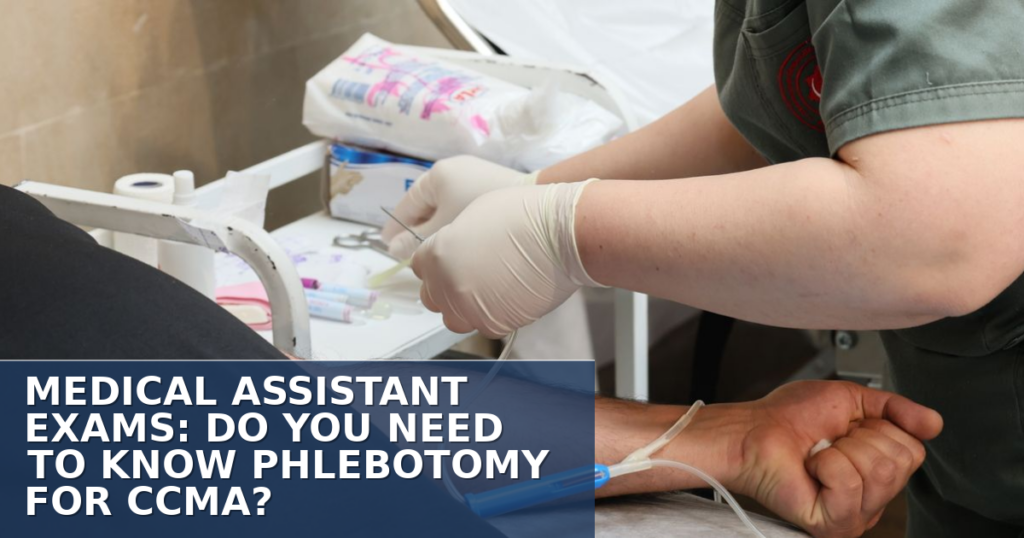
Medical assistants take vitals, draw blood, prep patients for exams, and work under direct clinical supervision. Medical office administrators handle scheduling, billing, insurance verification, and the other medical office assistant duties that keep a practice solvent. Both roles appear in outpatient clinics, hospitals, and specialty offices, but the skills, certifications, and salary trajectories diverge sharply. In most states, the pay gap between these two paths is narrower than many candidates assume.
Core Job Duties: Clinical Care Vs. Administrative Operations
Medical assistants and medical office administrators both keep a practice running, but their day-to-day work splits along a clinical versus administrative line. Medical assistants are trained to perform supervised clinical tasks alongside some front-office duties, while medical office administrators focus on scheduling, billing, records, and correspondence without direct patient care procedures.
Comparison Area
Medical Assistant
Medical Office Administrator
Primary focus
Direct patient contact plus routine clinical procedures and some front-office tasks, often in physicians' offices and outpatient clinics.
Office workflow, documentation, scheduling, and revenue-cycle tasks that support clinicians without direct patient care procedures.
Clinical duties
Take and record vital signs, prepare exam rooms and patients, assist during exams, give injections or medications as directed, and perform basic lab tests.
None; the role does not involve direct patient care procedures.
Administrative duties
May handle patient intake, EHR data entry, and phone or front-desk work as part of a blended role.
Schedule appointments, bill patients, verify insurance, compile and record medical charts and reports, and manage correspondence.
Training and supervision
Typically must complete supervised clinical training hours because clinical tasks are performed under physician supervision.
Generally does not need supervised clinical hours; training focuses on medical terminology, office procedures, billing, and records systems.
Typical work settings
Mostly physicians' offices, outpatient care centers, and clinics.
Mostly hospitals, physicians' offices, and other healthcare facilities handling appointment systems, records, billing, and correspondence.
Overlap in daily tasks
Often handles patient intake and front-desk work alongside clinical responsibilities.
May handle patient check-in and records management, but stays on the administrative side rather than clinical procedures.
Where Each Role Works: Clinics, Hospitals & Practice Settings
The setting you work in shapes nearly everything about your day, from how much you move around to how often you interact with patients face to face. Medical assistants and medical office administrators overlap in the types of facilities that hire them, but their daily rhythms inside those buildings look very different.
Primary care clinics: Family medicine and internal medicine offices are the single largest employer of MAs nationwide.
Urgent care centers: Fast-paced walk-in clinics rely on MAs to triage patients, collect vitals, and assist with minor procedures.
Specialty practices: Dermatology, cardiology, orthopedics, and OB-GYN offices all use MAs for clinical medical assistant duties like intake and exam-room support.
Outpatient surgical centers: MAs prep patients, sterilize instruments, and handle post-procedure instructions.
Expect to rotate between exam rooms, lab draw stations, and supply areas throughout each shift. Sitting for long stretches is rare.
Where Medical Office Administrators Typically Land
MOAs gravitate toward roles that keep the business side of healthcare running:
Hospital administrative departments: Scheduling, records management, and departmental coordination.
Billing and coding offices: Processing insurance claims, following up on denials, and managing accounts receivable.
Group practice front desks: Greeting patients, verifying insurance, and coordinating referrals across multiple providers.
Telehealth back-office teams: A growing niche where MOAs handle virtual visit scheduling, digital intake forms, and remote patient communication.
MOA work is largely desk-based. Your tools are screens, phones, and electronic health record systems rather than stethoscopes and speculums.
When Both Roles Share the Same Hallway
In larger health systems and multi-provider practices, MAs and MOAs often work side by side on the same care team. The MA escorts a patient to the exam room and records vitals while the MOA at the front desk is already verifying that patient's insurance and scheduling the follow-up. Understanding what a medical assistant does alongside the MOA can clarify which side of the workflow fits you best.
Medical Assistant and Medical Office Administrator Salary by State
The table compares 2025 U.S. Bureau of Labor Statistics median annual wages for medical assistants and medical office administrators, using the BLS category medical secretaries and administrative assistants for the office role. These are the most recent published figures at the time of writing, not live market rates. Washington is the highest-paying state for both roles: $59,290 for medical assistants and $58,100 for medical office administrators. Among states, Iowa reports the lowest medical assistant median at $45,480, while North Dakota is the lowest for medical office administrators at $45,390; Puerto Rico, a territory, shows a medical assistant median of $46,120.
State
Medical Assistant Median Annual Wage
Medical Office Administrator Median Annual Wage
Washington
$59,290
$58,100
Alaska
$52,560
$47,870
District of Columbia
$51,050
$49,180
Minnesota
$50,480
$50,030
Oregon
$50,410
$50,130
California
$49,660
$54,490
Massachusetts
$49,460
$50,290
Wisconsin
$48,680
$48,380
Hawaii
$48,410
$49,920
Colorado
$48,400
$46,920
New Hampshire
$48,020
$48,410
New York
$48,000
$47,710
Maine
$47,580
$46,990
Connecticut
$47,430
$48,500
Nebraska
$47,370
$46,100
Vermont
$47,250
$48,200
New Jersey
$47,210
$48,660
Rhode Island
$47,190
$46,860
Maryland
$46,410
$47,850
Illinois
$46,090
$46,670
North Dakota
$45,980
$45,390
Arizona
$45,940
$45,820
Salary Progression: Entry-Level Vs. Mid-Career Vs. Experienced Pay
Published pay data for medical assisting and medical office administration uses different experience bands, so these national figures are broad guideposts rather than a fixed career-stage ladder. Medical assistants see a clear lift from entry-level hourly pay into the mid $40,000s annually, and top earners approach $52,000 per year. Medical office administrators tend to start lower on average, but added responsibilities such as office manager duties can raise their earning ceiling.
How long does it actually take to train for each role, and what will it cost? The answer depends heavily on which path you pick, because the two credentials sit at different levels of the education ladder.
Medical Office Administrator: The Associate Degree Route
Most people entering medical office administration earn an associate degree. According to U.S. News, an online associate in medical office administration typically requires 60 to 76 credits and takes about two years of full-time study to finish. Per-credit costs range from roughly $100 to more than $600, which puts total tuition anywhere from about $10,000 to $40,000 depending on the school.1
That is a wide spread. A community college with in-state pricing sits near the bottom of the range. A private online university with technology fees can easily land at the top. Some online programs charge a flat rate regardless of residency, which can help out-of-state students but sometimes adds fees that in-person students never see.
Medical Assistant: Shorter, Cheaper, Faster
Clinical medical assistant training usually runs on a different clock. Most MA certificate or diploma programs finish in under a year of full-time study, and some accelerated tracks wrap up in nine months or less. An associate's degree in medical assisting also exists, but the shorter certificate is the more common entry point. Total tuition is typically lower than an administration degree, though prices still vary by school and format.
The tradeoff: a shorter program gets you working sooner, but an associate degree carries transferable credits if you later want to move toward nursing, such as a Medical Assistant to RN path, or health administration.
Verify Accreditation Before You Enroll
This matters for both paths. Medical Assistant Program Accreditation from an agency recognized by the U.S. Department of Education affects two practical things: whether your credits will transfer to another school later, and whether you qualify for federal financial aid. A cheap program that is not properly accredited can cost you more in the long run if the credits do not count. Check the accreditor's name on the program's website, then confirm it on the Department of Education's database before you sign anything.
Medical assistants work directly with patients, taking vitals, drawing blood, and assisting with exams, while medical office administrators keep the entire practice running behind the scenes through scheduling, billing, and records management.
theemedicalassistants.com
Questions to Ask Yourself
Do you prefer direct, hands-on patient contact or behind-the-scenes coordination?
Medical assistants spend most of their day face to face with patients, taking vitals and assisting with procedures. Medical office administrators focus on scheduling, records, and workflow systems. Your comfort level with clinical interaction shapes which role will feel rewarding long term.
Are you more energized by clinical tasks or by billing, insurance, and scheduling workflows?
If drawing blood and prepping exam rooms sounds exciting, the CMA or RMA credential puts you on a clinical track. If you light up organizing systems and navigating insurance codes, a CMAA or office administration path is a better fit.
Where do you see yourself in five to ten years: nursing or practice management?
Medical assistants who want to advance clinically often bridge into RN programs with transfer credits. Office administrators typically move toward practice manager or health information roles. Picking the right starting credential now saves time and tuition later.
How much schedule variety and physical activity do you want in a typical workday?
Clinical MAs are on their feet, moving between exam rooms, and handling unpredictable patient needs. Administrative professionals spend more time at a desk managing phone calls, records, and billing queues. Knowing which pace suits you helps prevent early burnout.